


Barge Services: A Reliable Solution for Marine Transportation
Barge Services in Oman play an important role in offshore logistics, cargo transfer, and marine operations. At Integrity Marine, we provide reliable barge solutions to support cargo transportation, offshore projects, and port operations across major ports in Oman. Barges are flat-bottomed vessels designed to carry large loads, making them ideal for transporting cargo that is difficult or uneconomical to move by road or rail.
Due to their high load capacity and operational flexibility, barges are widely used in construction, energy, port development, and offshore projects.
Professional Barge Services in Oman
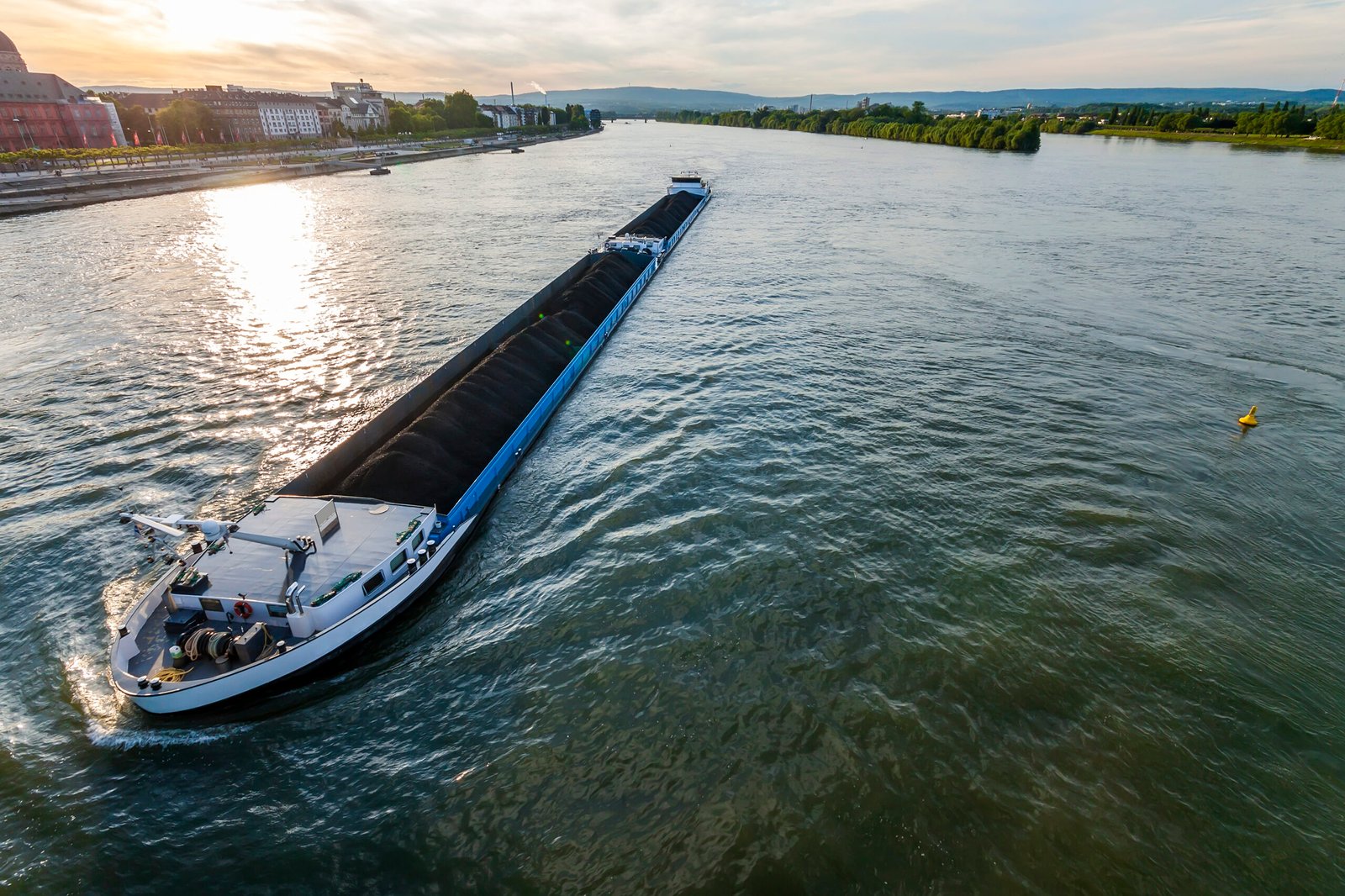
Barge services are a vital part of maritime logistics and offshore operations. A barge is a flat-bottomed vessel designed to carry heavy cargo such as construction materials, equipment, bulk commodities, or industrial supplies across waterways. These vessels are commonly towed or pushed by tugboats and are widely used for short-distance marine transport and offshore support.
Because barges have a shallow draft and large cargo capacity, they are ideal for transporting heavy or oversized cargo in coastal waters, ports, and offshore locations. Their flexibility allows them to operate in areas where larger ships cannot easily access.
Types of Barge Services
Different types of barges are used depending on the cargo and marine operation requirements.
Cargo Barges
Cargo barges are designed to transport bulk goods such as sand, aggregates, equipment, and construction materials. These barges are widely used for coastal cargo transportation and port logistics.
Deck Barges
Deck barges have large open decks that allow them to transport heavy machinery, containers, and offshore equipment. They are often used in offshore construction and marine engineering projects.
Crane Barges
Crane barges are equipped with heavy lifting equipment and are used for offshore installation, dredging operations, and marine construction activities.
Offshore and Port Support Operations
Barge services are commonly used to support offshore energy projects, ship repair activities, dredging operations, and marine construction. These vessels can transport materials, assist in cargo transfer, and support logistics operations in ports and offshore locations.
With Oman’s strategic location along major global shipping routes, barge services play an important role in supporting maritime trade and industrial projects. Modern ports such as Sohar, Salalah, and Duqm rely on barge operations for cargo transfer, offshore logistics, and marine support activities.
Integrity Marine provides dependable Barge Services in Oman, supporting maritime operations with efficient vessel coordination, cargo transport solutions, and offshore logistics support.
Key Applications of Barge Operations
Barges support a wide range of marine and industrial activities, including:
Transportation of bulk cargo such as aggregates, cement, and coal
Movement of heavy machinery and oversized project cargo
Support for offshore and coastal construction projects
Dredging, land reclamation, and port development operations
Storage and positioning of materials in marine environments
Barges can be operated as self-propelled units or towed by tugboats, depending on operational requirements.
We also provide Freight Forwarding Company in Omanservices for integrated logistics support.
We follow international shipping standards set by the International Maritime Organization (IMO).

Advantages of Barge Transportation
Barge transport offers several advantages, including:
High cargo capacity with reduced transportation costs
Lower fuel consumption per ton of cargo
Ability to handle heavy and oversized loads
Reduced congestion on roads and rail networks
Environmentally efficient transport option
These benefits make barges a preferred choice for large-scale marine and industrial projects.
Conclusion
Barge services are a critical component of marine transportation and logistics. Their versatility, efficiency, and ability to handle heavy cargo make them indispensable for coastal, offshore, and inland waterway operations. Reliable barge services contribute significantly to safe, economical, and sustainable marine logistics.Integrity Marine provides dependable Barge Services in Oman designed to support offshore logistics, cargo transfer, and marine construction operations. Our experienced team coordinates safe and efficient Barge Services in Oman, ensuring reliable transport of heavy equipment, bulk materials, and project cargo across major Omani ports.
"Your trusted partner in maritime, freight, and logistics knowledge"